Introduction
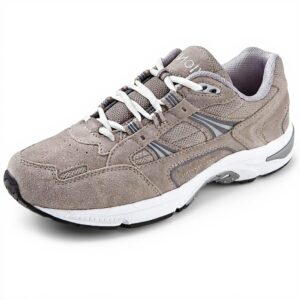
This Black History Month has been differet for me in ways I never anticipated. As someone who typically observes the month through reading and reflection, this year brought physical participation in local events and walking tours that commemorated important historical sites. What started as a simple commitment to be more actively involved led me to an unexpected discovery about footwear and comfort that would change how I approach long days on my feet. The journey began with good intentions but sore feet, and ended with a pair of grey Vionic Oxford shoes that provided the arch support I didn’t realize I needed.
I’ve always appreciated the educational aspects of Black History Month, attending lectures and watching documentaries that highlight the incredible contributions and struggles of Black Americans. This year, however, our community organized a series of walking tours through historically significant neighborhoods, and I felt compelled to participate. Little did I know that these walks would reveal not just historical insights but also something quite personal about my own physical needs when spending hours walking through city streets.
The connection between commemorating Black History Month and finding proper footwear might seem unusual at first glance, but it became profoundly clear to me during those long urban walks. As we traced the paths of civil rights activists and visited sites of historical importance, my attention kept drifting to the growing discomfort in my feet. It was during one particularly lengthy tour that I realized my usual shoes weren’t providing the support needed for sustained walking, prompting me to look for solutions that would allow me to fully engage with these important commemorative activities.
Real-life Context
The walking tours took us through various urban environments, from paved city streets to cobblestone pathways in older districts. We covered significant ground each day, sometimes walking for three to four hours at a time while our guide explained the historical significance of each location. The first tour focused on sites associated with the Underground Railroad, requiring us to navigate different terrains and stand for extended periods while listening to stories of courage and resistance. My regular dress shoes, while stylish for office wear, proved completely inadequate for this type of sustained activity.
By the second day of tours, I noticed a persistent ache in my heels and arches that made it difficult to concentrate on the historical narratives being shared. We were exploring locations tied to the Civil Rights Movement, and I found myself distracted by the discomfort, missing parts of our guide’s explanations as we moved from site to site. The irony wasn’t lost on me – here I was trying to honor those who endured far greater hardships, while I struggled with something as basic as foot pain. The experience made me appreciate the physical demands that historical figures faced during their activism and daily lives.
The third day’s itinerary included visits to cultural centers and museums spread across different parts of the city. Knowing I had another full day of walking ahead, I started paying closer attention to how my feet felt with each step. The discomfort wasn’t just localized to my heels; I could feel strain traveling up through my ankles and calves. Standing during presentations became increasingly challenging, and I found myself looking for opportunities to sit, which meant sometimes missing visual elements of the exhibits. It became clear that if I wanted to fully participate in the remaining Black History Month activities, I needed to address this physical limitation.
Between tours, I began researching footwear options that might provide better support for extended walking. I knew I needed something that could handle urban environments while offering more than just basic cushioning. The requirements were specific: shoes that could transition from historical walks to casual settings, provide proper arch support, and accommodate my need for wider sizing. It was during this search that I came across information about Vionic Men’s Oxford shoes and their focus on corrective support and alignment.
Observation
When I first tried the Vionic Oxford shoes, the immediate difference was in how they felt around my arches. The VIO MOTION technology provided a level of support that my previous shoes completely lacked. During the next Black History Month walking tour, I noticed that the heel pain I’d been experiencing had significantly diminished. The shoes seemed to correct how my feet landed with each step, reducing the pronation that had been causing discomfort. What surprised me was how this improved alignment affected not just my feet, but my entire walking experience.
The cushioning in these Oxford shoes made a noticeable difference on harder surfaces like concrete sidewalks and museum floors. Whereas before I could feel every imperfection in the pavement, now there was a consistent comfort that allowed me to focus on the historical significance of our surroundings rather than my physical discomfort. The flexible design accommodated the natural movement of my feet during long walks, and I found I could maintain a better pace without the fatigue that had previously set in after the first hour. This was particularly important during tours that required standing for extended periods while our guide explained the context of each location.
I didn’t realize at the time that this would be so important, but the wide size option proved crucial for my comfort. My feet have always required extra width, and most shoes either squeeze uncomfortably or are too loose. These Vionic Oxfords in the UK Wide sizing provided a fit that felt secure without constriction, allowing natural foot expansion during long walks while maintaining proper support. The grey color worked well for both the historical tours and subsequent casual wear, transitioning seamlessly from educational activities to everyday use.
Over several days of wearing these shoes during Black History Month events, I observed that the arch support seemed to be doing more than just relieving immediate discomfort. The correction of my pronation appeared to be having a cumulative effect, with each day feeling progressively better than the last. The shoes handled various urban environments effortlessly – from the smooth floors of cultural centers to the uneven brick pathways of historical districts. What stood out was how the footwear supported my participation rather than drawing attention to itself, allowing the focus to remain where it belonged: on learning and commemorating Black history.
Reflection
Looking back on this Black History Month experience, I’m struck by how something as practical as proper footwear can enhance one’s ability to engage fully with important cultural and historical activities. The connection between physical comfort and mental presence became increasingly clear as the month progressed. When my feet weren’t distracting me with pain, I could devote more attention to the stories being shared, the historical significance of each location, and the broader meaning of our commemorative walks. The Vionic Oxford shoes became an unexpected enabler of deeper participation.
I’ve come to appreciate that supporting physical well-being during activities that honor historical struggles isn’t contradictory – it’s complementary. The activists and historical figures we were learning about undoubtedly understood the importance of being physically capable to pursue their causes. My experience with foot pain during those initial walks gave me a small, personal insight into how physical limitations can impact one’s ability to participate fully in important moments. Finding footwear that addressed those limitations felt like honoring the spirit of perseverance that we were commemorating during Black History Month.
The arch support and pronation correction provided by these shoes have had lasting benefits beyond the month’s specific activities. I’ve continued wearing them for daily walking and casual outings, and the improvement in my overall foot comfort has been significant. The technology that initially attracted me – the VIO MOTION system – has proven its value through consistent performance across different scenarios. What began as a solution for a specific set of historical tours has become integrated into my regular footwear rotation, particularly for situations involving extended time on my feet.
Reflecting on the relationship between the product’s design and my needs, I recognize how the combination of style and functionality in these Oxford shoes aligned perfectly with the demands of participating in Black History Month events. They provided the professional appearance appropriate for cultural settings while delivering the practical support necessary for sustained walking and standing. This balance between form and function echoes the broader themes we encountered during the month – the integration of dignity and practicality, of honoring tradition while addressing contemporary needs.
Conclusion
This year’s Black History Month taught me unexpected lessons about preparation, comfort, and the importance of having the right tools for meaningful participation. The Vionic Oxford shoes with their arch support and corrective features became more than just footwear – they were what enabled me to fully engage with the commemorative activities without physical distraction. The relief from heel pain and improved alignment allowed me to focus on the historical significance of each location we visited, from Underground Railroad sites to Civil Rights Movement landmarks.
The experience has changed how I approach both commemorative activities and everyday footwear choices. I now understand that proper support isn’t just about comfort – it’s about enabling presence and engagement. When your physical needs are met, you can devote more energy to learning, reflecting, and participating fully. The connection between well-supported feet and an attentive mind became abundantly clear during those walking tours, where each step through history felt more grounded and intentional with the right footwear.
As Black History Month concludes, I’m left with not just deeper historical understanding but also practical knowledge about maintaining physical comfort during extended activities. The Vionic Oxford shoes continue to serve me well beyond the specific events of the month, providing reliable support for daily walking and casual wear. Their grey color and Oxford style make them versatile for various settings, while the arch support ensures that comfort remains consistent regardless of the day’s demands. What began as a solution for a temporary need has become a lasting part of how I approach activities that require sustained time on my feet.
The intersection of historical commemoration and practical footwear may seem unusual, but my experience this Black History Month demonstrated how the right tools can enhance our ability to honor important traditions while caring for our present needs. The walking tours that initially highlighted my footwear limitations ultimately led me to a solution that supported both my physical well-being and my desire to participate fully in cultural remembrance. It’s a reminder that sometimes, the most practical solutions can have the most meaningful impacts on how we engage with the world around us.
 Weightless Skin Foundation SPF 15 Bobbi Brown Women