Introduction
I never expected that watching Jon Jones during the Winter Olympics opening ceremony would lead me to rethink my entire approach to footwear. There I was, settled into my favorite armchair, television glowing in the dim evening light, when the camera panned across the athletes marching into the stadium. Jon Jones stood among them, looking both proud and remarkably comfortable despite what must have been hours of standing and waiting. It struck me then how much we underestimate the importance of comfortable shoes during long events, whether we’re Olympians or ordinary people going about our daily lives. That moment of observation sparked a personal journey toward finding footwear that could support me through my own marathon days.
As someone who spends considerable time on my feet between work, errands, and social commitments, I’d grown accustomed to the familiar ache that settled in by afternoon. I’d tried numerous supposed comfort shoes over the years, often sacrificing style for promised relief that never quite materialized. The connection between what I witnessed during the jon jones winter olympics opening ceremony coverage and my own daily discomfort became increasingly clear. If athletes needed proper support during lengthy ceremonies, surely the rest of us deserved similar consideration for our everyday movements.
Real-life Context
My search for comfortable yet stylish footwear began in earnest after that Olympic broadcast. I work in an office environment that requires professional appearance but also involves considerable standing during meetings, walking between buildings, and occasional after-work social events. Like many women, I struggled to find shoes that transitioned seamlessly from desk to dinner without leaving me with sore arches and tired feet. The typical ballet flats I’d worn for years offered minimal support, and while they looked appropriate with both trousers and dresses, they often left me counting down the hours until I could kick them off.
The challenge extended beyond my professional life. Weekends often involved shopping trips, visiting friends, or attending my children’s school events—all activities that kept me on my feet for extended periods. I’d developed a habit of carrying spare shoes in my car, switching from stylish options to practical ones whenever possible. This constant shoe-swapping felt inefficient and sometimes left me wearing less appropriate footwear for certain occasions. I wanted a single pair that could handle diverse scenarios without compromising either comfort or appearance.
What made this search particularly frustrating was the gap between marketing claims and actual experience. Numerous brands promised comfort and support, but few delivered consistently. Some shoes felt comfortable initially but lost their supportive qualities after several weeks of wear. Others provided adequate arch support but looked clunky or overly medical. I began to wonder if the combination of genuine comfort and elegant design was simply unattainable, or if I needed to adjust my expectations about what footwear could realistically provide.
Observation
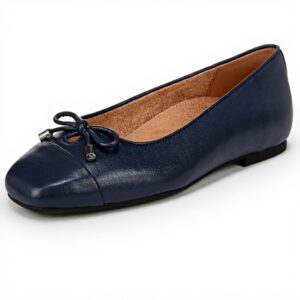
When I first encountered the Vionic Klara ballet flats, what stood out immediately was their unassuming appearance. They looked like ordinary ballet flats—the kind I might have dismissed previously as another style-over-substance option. The premium leather and suede options appeared sophisticated yet practical, with clean lines and subtle detailing that would complement both professional and casual outfits. The square toe design offered a contemporary touch while providing slightly more room than traditional pointed toes, which I appreciated given my sometimes-swollen feet after long days.
What surprised me most was how these shoes felt during actual wear. The built-in VIO MOTION Technology footbed provided contoured arch support that felt substantial without being intrusive. Unlike some orthopedic shoes that announce their therapeutic purpose through rigid structures, these flats offered support that gradually made itself known as the day progressed. The shock-absorbing cushioning became particularly noticeable when walking on hard surfaces like office flooring or pavement, where I typically felt the most impact-related discomfort.
The multiple width options proved crucial for achieving proper fit. Having struggled with standard width shoes that often felt either too tight or too loose depending on the time of day, I appreciated having narrow, standard, and wide choices available. This attention to fit variations suggested an understanding that women’s feet differ not just in length but in volume and shape. The removable EVA insert added another layer of adaptability, allowing for custom orthotics if needed while maintaining the shoe’s inherent supportive structure.
I wore the flats through various scenarios mentioned in the product information—office days that stretched into evening events, weekend shopping trips that involved hours of walking, and social gatherings where I wanted to look put-together without foot pain distracting from conversations. The shoes transitioned smoothly between these different contexts, their elegant design fitting professional settings while their comfort supported extended wear. The durable synthetic outsole showed minimal signs of wear even after weeks of regular use, suggesting these weren’t disposable fashion items but rather longer-term investments.
Reflection
I didn’t realize at the time how significant finding properly supportive footwear would be for my overall daily experience. The connection between foot comfort and general wellbeing became increasingly apparent as I wore the Vionic Klara flats regularly. Small improvements accumulated—less fatigue at the end of busy days, reduced need to sit down frequently during extended standing situations, and generally better mood when my feet weren’t demanding constant attention. These subtle shifts made me reconsider how much we normalize foot discomfort as an inevitable part of adult life.
The experience brought me back to that initial observation during the Winter Olympics opening ceremony. Watching Jon Jones and other athletes standing comfortably through lengthy proceedings now made more sense. Proper support isn’t just about preventing pain—it’s about enabling sustained presence and engagement. Whether waiting through ceremony proceedings or navigating a packed workday, the right footwear can make the difference between merely enduring and fully participating. This understanding transformed my approach to shoe shopping from seeking temporary relief to investing in long-term comfort.
I began noticing how often women around me discussed foot pain as a given circumstance rather than a solvable problem. Colleagues would complain about sore feet after conferences or events, friends would mention changing shoes multiple times daily, and I recognized my former self in these conversations. The assumption that stylish shoes must be uncomfortable or that comfortable shoes can’t be attractive seemed deeply ingrained in our collective thinking. My experience with the Klara flats challenged this binary, suggesting that design and support needn’t be mutually exclusive.
What struck me most was how the shoes’ benefits revealed themselves gradually rather than dramatically. There was no single transformative moment but rather a series of small realizations—noticing I could stand through an entire presentation without shifting weight frequently, realizing I hadn’t thought about my feet all day, appreciating that I could wear the same shoes from morning meetings to evening gatherings without discomfort. This subtlety made the experience feel more authentic than dramatic product claims often suggest. Genuine comfort, it seems, often announces itself through absence rather than presence—through what you don’t feel rather than what you do.
Conclusion
My journey from observing Jon Jones during the Winter Olympics opening ceremony to discovering footwear that genuinely supports my daily life has shifted how I think about both shoes and comfort. The Vionic Klara ballet flats became more than just another pair in my closet—they represented a different approach to navigating days filled with varied activities and demands. Their combination of elegant design and substantive arch support demonstrated that we needn’t choose between looking professional and feeling comfortable, between style and substance.
The experience underscored how often we accept discomfort as inevitable when solutions might exist just beyond our usual shopping habits. The right footwear can transform not just how our feet feel but how we move through our days—with less anticipation of pain, less planning around shoe changes, and more focus on whatever we’re actually doing rather than what we’re wearing. This shift from footwear as occasional relief to consistent support has proven surprisingly meaningful in my daily rhythm.
I’ve come to appreciate that proper arch support isn’t a luxury but a practical consideration for anyone spending significant time on their feet. The contoured design of the VIO MOTION Technology footbed, the shock-absorbing cushioning, and the multiple width options all contribute to shoes that work with your feet rather than against them. The removble EVA insert adds flexibility for those who require custom orthotics, while the premium materials ensure the shoes maintain their appearance through regular wear.
What began with an observation during a televised event has evolved into a changed perspective on everyday comfort. The connection between what athletes need during lengthy ceremonies and what ordinary people need during routine days seems stronger than I initially recognized. Whether standing through Olympic proceedings or navigating a busy workday, proper support enables better presence and participation. The Vionic Klara ballet flats have become my go-to choice for days that demand both style and substance, proving that sometimes the most significant discoveries come from connecting seemingly unrelated observations to personal experience.
 V5541 Monitor Arm Adjustable Ergonomic Desk Mount