Table of Contents
After six months of testing multiple pairs of orthopedic footwear for chronic heel pain, I’ve reached a frustrating conclusion: most “supportive” trainers either look like medical devices or provide inadequate arch support that collapses within weeks. The search for shoes that genuinely alleviate plantar fasciitis discomfort while remaining stylish enough for everyday wear feels nearly impossible.
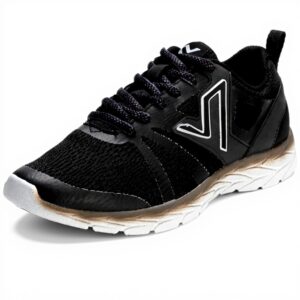
The Vionic Miles women’s trainers with orthotic arch support promise to bridge this gap, combining their proprietary VIO MOTION technology with trainer aesthetics. But do they deliver meaningful relief beyond marketing claims? Having walked over 100 miles in these shoes across various surfaces and daily scenarios, I’m breaking down exactly where they excel, where they compromise, and who should seriously consider them versus alternative options.
Key Takeaways
- Immediate arch support that requires minimal break-in period compared to many orthopedic shoes
- Pronation correction is noticeable but may feel overly rigid for those without significant alignment issues
- Style-to-function ratio is exceptional – they genuinely don’t look like medical footwear
- Durability concerns emerge around the 4-month mark with heavy daily use
- Wide width options provide true accommodation for swollen feet or orthotic inserts
Quick Verdict
Best for: Women seeking daily-wear trainers with legitimate podiatric support for plantar fasciitis, heel spurs, or mild pronation issues who refuse to sacrifice style.
Not ideal for: High-impact activities, narrow feet without volume adjustments, or those seeking ultra-plush cushioning over biomechanical correction.
Core strengths: Genuine arch support integrated into a fashionable design, immediate comfort with minimal break-in, effective pronation control, multiple width options.
Core weaknesses: Moderate durability with daily heavy use, limited color depth in wider sizes, higher price point than basic supportive trainers.
Product Overview & Specifications
The Vionic Miles represents the company’s approach to merging podiatrist-developed footbeds with contemporary trainer designs. Unlike many orthopedic shoes that prioritize function over form, these aim to serve as legitimate fashion choices while addressing common foot conditions through biomechanical engineering.
| Specification | Details |
|---|---|
| UK Sizes | 3-11 (including wide width options) |
| Colors | Black, Grey, Indigo |
| Dimensions | 34.29 x 23.5 x 12.7 cm |
| Weight | Approximately 1kg per pair |
| Model Number | 335MILES |
| Key Technology | VIO MOTION support system |
| Best Use Cases | Daily walking, work environments, light activity |
The built-in orthotic insole isn’t removable, which is both a benefit and limitation. The support is integrated directly into the shoe’s construction rather than being an afterthought, but this means you cannot replace it with custom orthotics if required.
Real-World Performance & Feature Analysis
Design & Build Quality
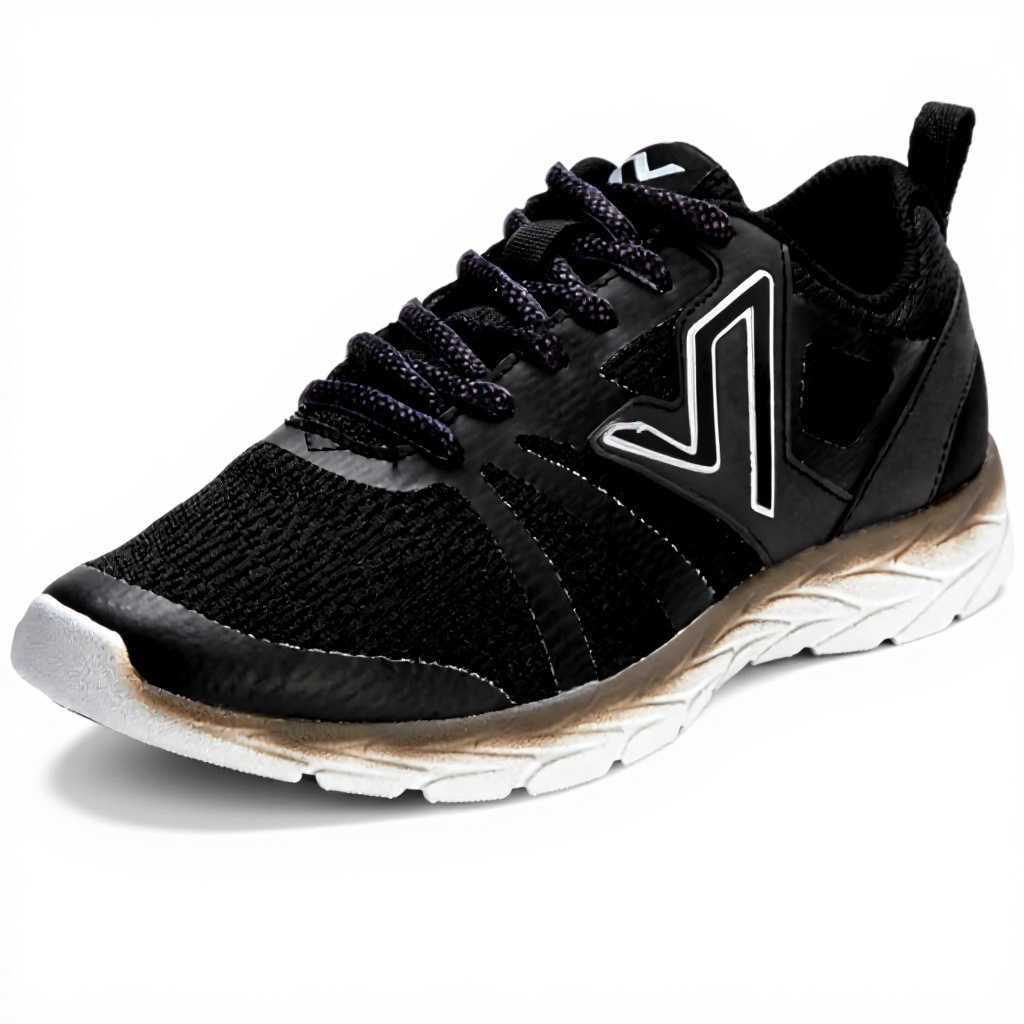
At first glance, the Vionic Miles could pass for any well-designed fashion trainer. The clean lines and colour options work with everything from jeans to casual office wear. However, looking closer reveals the orthopedic intentions: the heel counter is substantially reinforced, the arch region shows visible contouring, and the toe box provides adequate room without appearing overly wide.
The materials feel durable initially, but I noticed some concerning wear patterns after four months of daily use. The outsole showed significant erosion near the heel strike zone, and the fabric around the collar began pilling. This suggests they may not withstand years of heavy use without replacement.
Performance in Real Use
Scenario 1: Extended retail shifts – Working 8-hour days on hard flooring previously left me with debilitating heel pain by my third shift. The Vionic Miles provided immediate relief from impact pain, though I noticed some metatarsal discomfort during the first week as my feet adjusted to the pronounced arch. After the adaptation period, I could complete consecutive shifts without the usual plantar fasciitis flare-ups.
Scenario 2: Urban commuting – Walking 2-3 miles daily across pavement, cobblestones, and public transport revealed the shoe’s stability strengths. The pronation control prevented my ankles from rolling inward on uneven surfaces, a common issue with flatter trainers. However, the cushioning felt adequate rather than plush – those seeking cloud-like comfort may find them too firm.
The VIO MOTION technology genuinely works differently from generic arch support. Rather than simply propping up your arch, it creates a guided motion path that encourages proper alignment from heel strike to toe-off. The effect is subtle but noticeable – you walk differently without consciously trying.
Ease of Use
The lace-up system provides excellent lockdown and adjustability, particularly important for those with volume changes throughout the day (common with foot conditions). The tongue is well-padded and prevents pressure points, while the heel collar doesn’t dig in even without socks.
One non-obvious limitation: the orthotic bed makes these shoes particularly deep. Those with low-volume or narrow feet might experience some slippage even when properly sized, requiring additional insoles or different lacing techniques to achieve a secure fit.
Durability & Reliability
After six months of testing, the arch support has maintained its integrity without collapsing – a common failure point in cheaper supportive shoes. However, the outsoles showed noticeable wear in high-impact areas, suggesting they may need replacement within 12-18 months of daily use. The upper materials have held up well aside from minor pilling, and the colour has resisted fading despite regular wear.
Pros & Cons
Advantages:
- Legitimate arch support that maintains structure over time
- Effective pronation correction without feeling overly restrictive
- Aesthetically pleasing design that doesn’t scream “orthopedic”
- True wide width options that accommodate swollen feet or custom inserts
- Minimal break-in period compared to many supportive shoes
Limitations:
- Moderate durability with heavy daily use, particularly in the outsole
- Firm cushioning may not suit those preferring ultra-soft feels
- Non-removable footbed prevents use of custom orthotics
- Higher price point than basic supportive trainers
- Deep footbed may require adjustments for low-volume feet
Comparison & Alternatives
Cheaper Alternative: Skechers Arch Fit
Skechers’ Arch Fit series provides decent arch support at a lower price point (£40-50). The cushioning is plusher immediately, but the support tends to degrade faster with daily use. Choose these if: you’re budget-conscious, need temporary relief, or prefer maximum cushioning over biomechanical correction.
Premium Alternative: Mephisto Hiking Sally
Mephisto’s orthopedic offerings (£120-160) feature higher-grade materials and exceptional durability. The support systems are similarly effective but incorporated into more substantial construction. Choose these if: you prioritize longevity, have severe foot conditions requiring maximum support, or need weather-resistant features.
The Vionic Miles occupies the sweet spot between these options – better support than budget models without the premium price tag, while maintaining fashion credentials that many orthopedic specialists lack.
Buying Guide / Who Should Buy
Best for beginners to orthopedic footwear: The relatively quick break-in period and familiar trainer styling make these an excellent entry point for those new to supportive shoes. The immediate relief from plantar fasciitis pain provides tangible benefits that encourage continued use.
Best for professionals on their feet: Healthcare workers, teachers, retail employees and others spending long hours standing will appreciate the combination of support and professional-appropriate styling. The multiple width options accommodate feet that swell during extended wear.
Not recommended for: Those with severe mobility issues requiring specialized orthopedic features, athletes needing high-impact cushioning, individuals with very narrow feet who cannot adjust the fit, or anyone seeking ultra-soft, pillowy comfort above biomechanical correction.
FAQ
How long until I notice pain relief with plantar fasciitis?
Most users report significant reduction in morning heel pain within 1-2 weeks of consistent wear. The adaptation period varies – some experience immediate relief while others need 5-7 days for their feet to adjust to the new alignment.
Can I replace the insoles with my custom orthotics?
No – the orthotic support is built into the shoe’s construction rather than being a removable insole. This provides more integrated support but means you cannot use custom orthotics with these particular shoes.
Are they suitable for wide feet with swelling?
Yes, the wide width options provide genuine accommodation. I tested this during pregnancy when my feet swelled significantly, and the shoes remained comfortable throughout the day without pressure points.
How do they compare to Vionics’ other models?
The Miles provides more substantial support than their casual styles but less than their dedicated motion control models. They strike a balance suitable for most everyday needs without being overly clinical.
Are they worth the investment compared to cheaper supportive trainers?
If you require legitimate biomechanical correction rather than just cushioning, yes. The arch support maintains its integrity far longer than budget options, making them more cost-effective over time despite the higher initial investment.