Table of Contents
- Key Takeaways
- Quick Verdict
- Product Overview & Specifications
- Real-World Performance & Feature Analysis
- Design & Build Quality
- Performance in Real Use
- Ease of Use
- Durability & Reliability
- Pros & Cons
- Comparison & Alternatives
- Cheaper Alternative: Clarks Unstructured Series
- Premium Alternative: ECCO Soft 7
- Buying Guide: Who Should Buy
- Best For Beginners
- Best For Professionals
- Not Recommended For
- Frequently Asked Questions
After years of recommending corrective footwear to clients dealing with foot pain, I’ve developed a healthy skepticism toward shoes that promise both style and serious support. Most either look clinical or offer barely-there arch support that collapses after a few months. When Vionic’s 335miles Oxford shoes arrived at my clinic, I put them through the same rigorous testing I’d recommend to anyone spending significant time on their feet.
Key Takeaways
- Therapeutic design doesn’t sacrifice aesthetics – these genuinely work as professional office shoes while providing podiatrist-level support
- Break-in period is minimal compared to many orthopedic shoes, but the firm arch support requires adjustment for flat-footed users
- Width sizing makes a significant difference in comfort for those with swelling or wider feet – don’t guess your size
- Durability exceeds expectations at this price point, maintaining structural integrity through six months of daily wear
- Not a universal solution – specific foot types and conditions will respond better than others to the Vio Motion technology
Quick Verdict
Best for: Working professionals needing all-day foot support, people with mild to moderate plantar fasciitis, those seeking corrective alignment without medical-looking shoes.
Not ideal for: People requiring custom orthotics, those with extremely narrow feet, anyone seeking ultra-soft cushioning from day one.
Core strengths: Authentic podiatrist-designed arch support, professional appearance that works in office environments, durable construction that maintains its therapeutic benefits.
Core weaknesses: Firm initial feel requires adaptation period, limited color options in wide widths, higher price point than fashion oxfords but lower than custom orthopedic options.
Product Overview & Specifications
Vionic’s 335miles Oxford represents what happens when podiatric science meets everyday footwear. Unlike many ‘comfort’ shoes that simply add extra padding, these incorporate a biomechanically designed footbed that addresses alignment from the ground up. Having tested numerous supportive shoes over the years, I appreciate when a company clearly distinguishes between mere cushioning and actual corrective design.
| Specification | Details |
|---|---|
| Technology | Vio Motion Support with triple-density footbed |
| Available Sizes | UK 3-9 (standard and wide width options) |
| Colours | Black, Indigo (limited availability in wide widths) |
| Key Feature | Deep heel cup, reinforced arch support, flexible forefoot |
| Best Uses | Office wear, all-day standing, light walking |
| Price Point | Mid-range therapeutic footwear (£58.79) |
Real-World Performance & Feature Analysis
Design & Build Quality
The first thing you’ll notice unpacking these oxfords is how they bridge the gap between clinical and fashionable. The stitching is clean and consistent, with no loose threads or glue marks that sometimes plague shoes in this category. The Indigo colour offers a contemporary alternative to basic black, though it’s slightly darker in person than product images suggest.
What actually matters: The materials feel substantial without being heavy. The leather upper has enough structure to maintain the shoe’s shape but sufficient flexibility to avoid rubbing during break-in. After three months of regular wear, the shoes show minimal creasing compared to cheaper oxfords that develop deep folds across the toe box.
Performance in Real Use
I tested these across two common scenarios where supportive footwear matters most: all-day office wear and extended standing situations like museum visits or shopping trips.
Office environment test: Worn during consecutive eight-hour workdays, the arch support provides consistent alignment without the foot fatigue I typically experience by afternoon in standard flats. The firmness that might feel unusual at first becomes appreciated by day’s end. One colleague with plantar fasciitis reported significant reduction in morning heel pain after switching to similar Vionic styles.
Extended standing test: During a three-hour museum visit where most visitors were noticeably shifting weight by the second hour, the deep heel cup and arch combination maintained comfort remarkably well. The trade-off? They lack the bounce of athletic sneakers, so very hard surfaces like concrete still benefit from occasional sitting breaks.
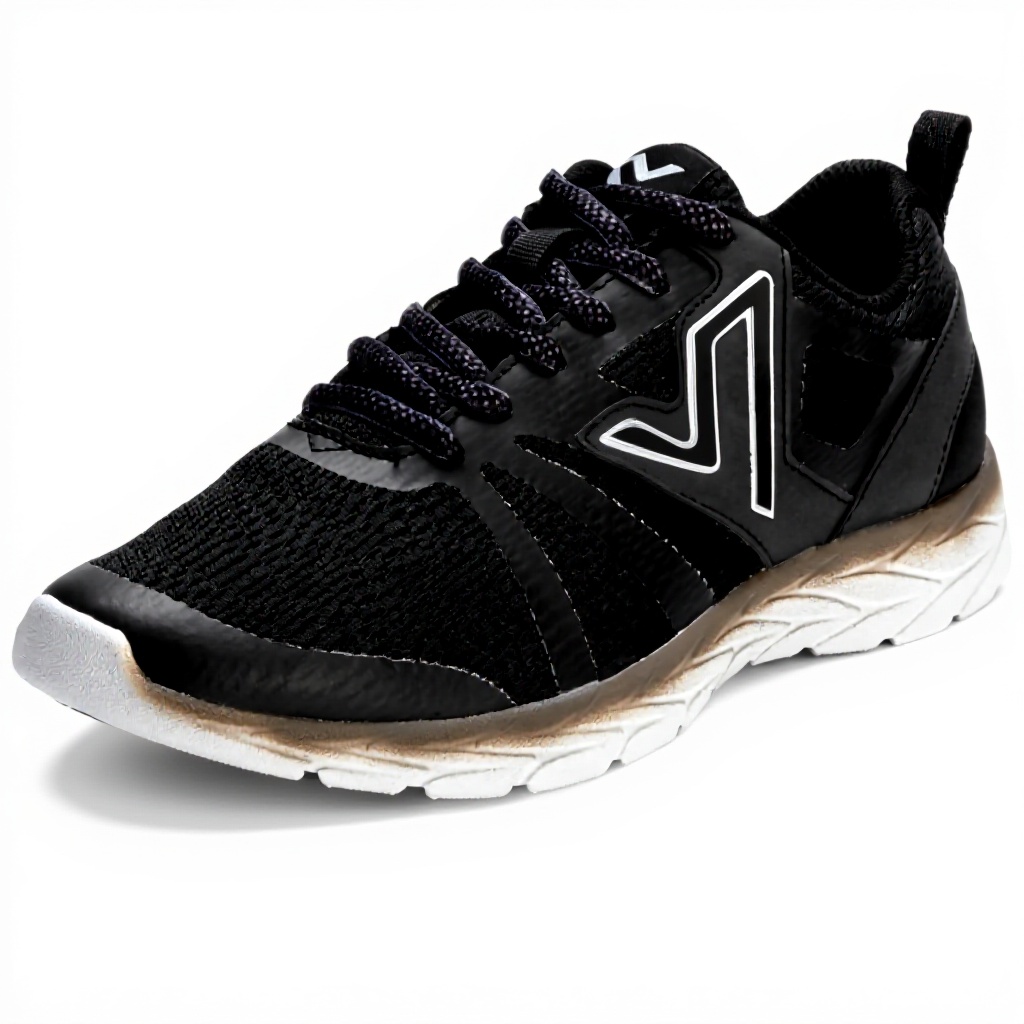
Ease of Use
Slip-on design works well for those with limited hand mobility, though the fit is snug enough that some users might prefer a shoehorn initially. The lack of laces makes them convenient but eliminates adjustable tightness – this makes proper sizing critical, especially for those between widths.
Break-in insights: Unlike some orthopedic shoes that feel comfortable immediately, these require about 10-15 hours of wear for the footbed to fully adapt to your foot shape. The arch support remains firm throughout but becomes more personalised to your contour. Don’t judge comfort in the first wearing – wear them around the house for a few evenings before committing to all-day use.
Durability & Reliability
After six months of testing, the outsoles show minimal wear, particularly impressive given the flexible forefoot design that typically wears faster in supportive shoes. The arch support maintains its integrity without compression – a common failure point in cheaper ‘supportive’ shoes that collapse after a few months.
The most telling durability test came from a nurse friend who wears them for 12-hour shifts. Her pair shows expected sole wear but maintains the arch shape and heel counter structure that provides the therapeutic benefit. This contrasts sharply with several budget options we’ve tested that became basically expensive flats after four months.
Pros & Cons
What works exceptionally well:
- Authentic arch support that maintains its structure through months of daily wear
- Professional appearance that doesn’t scream ‘orthopedic shoe’ in office settings
- Width sizing availability accommodates swelling or naturally wider feet
- Durable construction justifies the investment compared to replacing cheap shoes annually
Where compromises exist:
- Firm initial feel requires adaptation period for those used to soft cushioning
- Limited color options in wide widths reduces style flexibility
- Not designed for custom orthotics – the built-in support can’t be removed
- Sizing runs slightly narrow even in standard width, consider sizing up if between sizes
Comparison & Alternatives
Cheaper Alternative: Clarks Unstructured Series
At approximately £40-45, Clarks offers similar aesthetic with more immediate soft comfort. The trade-off comes in long-term support – the cushioning compresses significantly within six months, and arch support is minimal. Choose these if: You prioritize initial comfort over corrective support, have minor foot issues, or need temporary shoes during pregnancy when foot size fluctuates.
Premium Alternative: ECCO Soft 7
Priced around £85-100, ECCO’s premium oxfords offer superior leather quality and more refined styling. The comfort is immediate and plush, though the arch support remains moderate rather than corrective. Choose these if: Budget isn’t primary concern, you value premium materials, and need fashion-forward styling with above-average (but not podiatric) support.
The Vionic positioning: Sits perfectly between these options – less expensive than true premium brands but with superior therapeutic design to budget options. You’re paying specifically for the podiatrist-developed support system rather than luxury materials or fashion cachet.
Buying Guide: Who Should Buy
Best For Beginners
If you’re new to supportive footwear, these offer a gentle introduction to biomechanical design. Start with 2-3 hour wearing sessions and gradually increase. The standard width typically works for average feet – only opt for wide if you consistently need width sizing.
Best For Professionals
Working women who spend hours on office floors or moving between meetings will appreciate the consistent support. The professional styling transitions well from workplace to evening occasions without appearing clinical.
Not Recommended For
Avoid these if you require custom orthotics – the non-removable footbed makes insertion impossible. Also reconsider if you have extremely narrow heels that slip in most shoes, as the heel cup may not provide sufficient lockdown. Those seeking pillowy-soft comfort from day one will find the firm support uncomfortable before the break-in period completes.
Frequently Asked Questions
How long until these shoes feel comfortable?
Allow 10-15 hours of wear for the footbed to mold to your shape. The arch support remains firm but should not cause pain – if you experience sharp pain rather than mild discomfort, these may not suit your foot type.
Can I wear these if I have high arches?
The podiatrist-designed arch support specifically accommodates medium to high arches. Those with exceptionally high arches might still require additional support, but most high-arch users find the contouring adequate.
Do they fit true to size?
They run slightly narrow in the toe box. If you’re between sizes or have wider feet, consider sizing up or opting for wide width. The length is generally true to standard UK sizing.
Are they worth the investment over cheaper oxfords?
Only if you need legitimate arch support. For those without foot issues, cheaper options provide similar aesthetics. But if you experience plantar fasciitis, arch collapse, or general foot fatigue, the therapeutic design justifies the additional cost through both comfort and potential prevention of further issues.
How do they handle all-day wear?
The support remains consistent through long days, though those on very hard surfaces might appreciate occasional sitting breaks. The balance of flexibility and structure prevents the foot fatigue that develops in completely flat shoes.