Introduction
It was during the intense Celtic vs Falkirk match that I first noticed the persistent ache in my heels. The excitement of the game, the energy of the crowd, and the sheer thrill of watching skilled athletes perform at their peak should have been my focus, but instead, I found myself shifting uncomfortably in my seat, trying to find relief for my protesting feet. The same discomfort resurfaced weeks later while following the Australian Open, when hours of standing and walking between courts left me with that familiar burning sensation. I hadn’t realized how much my footwear choices were impacting my ability to fully enjoy these moments I’d been looking forward to for months. The connection between what I put on my feet and how I experienced life’s pleasures became impossible to ignore.
Real-life Context
My daily routine involves more walking than I ever anticipated when I chose my current lifestyle. Living in a city where public transportation requires substantial walking between stops, combined with a job that keeps me on my feet for significant portions of the day, meant that comfortable shoes weren’t just a preference—they were a necessity. I’d tried various sneakers over the years, from fashion-forward options that looked great but offered little support to athletic shoes that felt bulky and out of place in professional settings. None seemed to strike that balance between style and genuine comfort that could carry me through an entire day without that telltale ache beginning to creep in around midday. The search became more urgent when I noticed the discomfort was beginning to affect not just my feet but my knees and lower back as well.
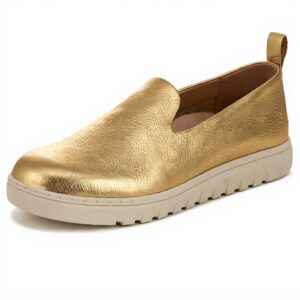
The turning point came during a particularly busy week when I had back-to-back commitments that required being on my feet. From morning meetings to evening events, I found myself dreading the physical toll I knew would come. It was during this period that I began paying closer attention to what exactly I needed from my footwear. The leather construction appealed to me for its durability and professional appearance, while the mention of arch support technology caught my attention given my ongoing discomfort. The availability of wide sizes was particularly interesting, as I’d often found standard width shoes too constricting during long days. The specific mention of suitability for Nordic walking and casual outings aligned perfectly with my active weekends, while the professional appearance meant they could transition seamlessly to work environments.
Observation
The first thing I noticed when I started wearing these sneakers was how different the arch support felt compared to anything I’d worn before. Rather than the aggressive push that some orthopedic shoes provide, this was a subtle but firm support that seemed to guide my foot into a more natural position. During those initial wears, I paid close attention to how my body responded throughout the day. The heel pain that typically began around lunchtime simply didn’t materialize, even on days when I covered significant distance on foot. What surprised me most was how this foot support seemed to create a chain reaction of comfort throughout my body—my knees felt less strained, and the tension I typically carried in my lower back diminished noticeably.
I began testing them in various scenarios that previously would have left me uncomfortable. A Saturday spent exploring local markets and walking between vendors, which normally would have me seeking a bench by early afternoon, passed without any foot complaints. Wearing them to work, where I often transition between sitting at my desk and moving around the office, provided consistent comfort regardless of my activity level. The leather uppers maintained their shape and appearance even after repeated wears, and the simple cleaning method of using a dry cloth kept them looking presentable with minimal effort. The color options meant I could coordinate with different outfits while still benefiting from the same supportive features, which addressed my concern about sacrificing style for comfort.
What stood out was how the shoes performed during activities that involved prolonged standing. Waiting in lines, attending standing-room-only events, or even just cooking dinner after a long day became noticeably more comfortable. The cushioning provided enough shock absorption that hard surfaces like concrete floors or pavement felt less punishing. The flexibility allowed for natural foot movement without feeling unstable, which was particularly appreciated when navigating crowded spaces or uneven surfaces. I found myself choosing to walk rather than drive for short errands, something I’d previously avoided due to discomfrt.
Reflection
I didn’t realize at the time that this would be so important, but the way these shoes promoted better alignment ended up affecting far more than just my foot comfort. The reduction in heel pain was immediately noticeable, but the secondary benefits took me longer to recognize. My posture seemed to improve naturally, likely because I wasn’t subconsciously adjusting my stance to compensate for foot discomfort. The way I walked changed too—my steps felt more balanced and confident, without the slight favoring of one foot over the other that had become my normal pattern after long days. This subtle shift in how I moved through the world made me aware of how interconnected our bodily comfort truly is.
Thinking back to those sporting events that initially highlighted my footwear problems, I realized how much of our experience is shaped by physical comfort. When we’re free from distraction and discomfort, we can fully immerse ourselves in the moments that matter. Whether it’s the thrill of a last-minute goal during Celtic vs Falkirk or the intensity of a match point at the Australian Open, being physically comfortable allows for mental presence. The arch support technology, which I initially viewed as simply a solution for foot pain, became something more meaningful—it became a tool that helped me engage more completely with the experiences I valued.
The availability of multiple sizes, including wide options, made me reflect on how often we settle for footwear that doesn’t truly fit because it’s what’s readily available. Having shoes that accommodated my foot shape without compression or rubbing transformed my relationship with walking from something I endured to something I enjoyed. The durability of the leather construction meant I wasn’t constantly replacing worn-out shoes, which aligned with my growing interest in more sustainable consumption habits. Even the simple care instructions—avoiding water submersion and using a dry cloth—reinforced the value of proper maintenance rather than replacement when things get slightly worn.
Perhaps most importantly, I began to understand that foot comfort isn’t a luxury but a foundation for daily functioning. The way we stand, walk, and move through our environments shapes our physical wellbeing in profound ways. Investing in footwear that supports rather than compromises this foundation has ripple effects throughout our lives, from how we perform at work to how we enjoy our leisure time. The subtle design elements that initially seemed like minor details—the specific footbed construction, the careful balance of cushioning and support, the thoughtful width options—collectively created an experience that felt tailored to real-life movement rather than abstract comfort concepts.
Conclusion
Looking back on my journey from discomfort to finding footwear that genuinely supports my active lifestyle, I’m struck by how something as simple as shoe choice can influence so many aspects of daily life. The difference wasn’t just about pain reduction—it was about reclaiming the freedom to move through my days without constant awareness of my feet. From crowded sporting events to quiet morning walks, having reliable footwear has transformed how I experience the world around me. The specific technology that provides arch support and promotes alignment has become an invisible partner in my daily activities, working quietly in the background to ensure comfort doesn’t become a limiting factor.
The lessons extend beyond footwear to how we approach comfort and support in all aspects of our lives. Just as these sneakers provide a foundation for physical movement, we need similar foundations in other areas—whether it’s the chair that supports our back during long work hours or the mattress that allows for restorative sleep. The importance of proper support becomes apparent only when we experience its absence, and once found, it transforms our relationship with activities we previously endured rather than enjoyed. The subtle way these shoes improved my posture and walking pattern reminded me that sometimes the most significant changes come from addressing foundational elements we’ve learned to ignore or tolerate.
My experience has shifted how I think about footwear from being primarily about appearance to being about function and comfort that enables fuller engagement with life. The combination of professional appearance and genuine support means I no longer need to choose between looking appropriate for work and being comfortable throughout the day. The wide size availability means I’m not compromising fit for style, and the durable construction means these aren’t shoes I’ll need to replace after a few months of regular use. Most importantly, they’ve given me back the simple pleasure of walking without anticipation of pain, whether I’m navigating a crowded city street or standing to cheer during an exciting match. That freedom—to move through the world comfortably and confidently—has proven invaluable.