Introduction
It was during one of those endless summer afternoons, watching the cremonese vs inter match while my feet throbbed with that familiar ache, that I realized something had to change. I had been standing for hours, moving between kitchen and living room, preparing snacks for guests while trying to catch glimpses of the game. The discomfort in my feet had become such a constant companion that I almost accepted it as normal. Yet as the match intensified, so did my awareness of how much my footwear choices were affecting not just my physical comfort but my ability to fully engage in moments I should have been enjoying.
I’ve always been someone who prioritizes style, believing that looking good often meant sacrificing comfort. My shoe collection was filled with beautiful but punishing choices – sandals that pinched, flats with no support, heels that left me limping by evening’s end. The cremonese vs inter match became an unexpected turning point, not because of the game’s outcome, but because it highlighted how much I had been ignoring my own physical needs in favor of appearance.
There’s something about sports events that makes you hyper-aware of your physical state. The tension in the game seems to amplify every discomfort in your body. As I shifted from foot to foot during particularly intense moments, I noticed how my lack of proper footwear was preventing me from being fully present. I was more focused on my aching arches than on the strategic plays unfolding on screen.
Real-life Context
My daily life involves more walking and standing than I ever anticipated when I was younger. Working in an office with business casual requirements means I need footwear that transitions well from commute to desk to after-work errands. I spend hours on my feet during weekend markets, shopping trips, and social gatherings with friends. Like many women, I had accepted that some degree of foot pain was just part of adult life.
The particular day of the cremonese vs inter match was typical of my summer routine. Morning involved walking to the local café, then several hours on my feet at work, followed by grocery shopping and hosting friends for the game. By evening, my feet felt swollen and tender, with that specific ache that starts in the arches and radiates outward. I had chosen my usual flat sandals – stylish enough for my office’s dress code but offering no real support for the amount of time I spent standing.
What struck me was how this foot discomfort was affecting more than just my physical state. I found myself cutting shopping trips short, avoiding walks in the park, and generally reducing activities I used to enjoy because I knew they would lead to pain. My footwear choices were inadvertently limiting my lifestyle, and I hadn’t fully acknowledged this connection until that football match forced me to be still enough to notice the patterns.
Summer in the city means navigating between air-conditioned spaces and warm outdoor environments, which requires footwear that can handle both while maintaining comfort. My previous sandals either had rigid soles that made walking uncomfortable or were so flexible they provided no support during extended wear. I needed something that could transition seamlessly between different surfaces and activities without requiring constant adjustment or causing discomfort.
Observation
The change began subtly. I started paying attention to how different surfaces affected my feet – the hard office floors versus cushioned mats in kitchens, the uneven pavement of city streets versus smooth indoor flooring. I noticed how my gait would change throughout the day as fatigue set in, how I would subconsciously favor one foot over the other when standing for long periods. These observations made me realize that proper footwear wasn’t about occasional comfort but about consistent support through all my daily movements.
When I first tried sandals designed with actual arch support, the difference was immediately noticeable. The way the footbed cradled my arches provided stability I hadn’t experienced before in casual footwear. Walking felt different – more balanced, less jarring on hard surfaces. Standing while waiting for public transportation or during long conversations no longer created that creeping discomfort in my heels and arches.
I particularly noticed the difference during activities that involved frequent transitions between sitting and standing. In meetings that required moving between presentation and seated discussion, or during social gatherings where I circulated between different groups, the consistent support meant I wasn’t constantly aware of my feet. This mental freedom – not having to think about foot comfort – was something I hadn’t experienced since my youth.
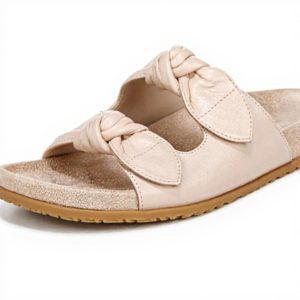
The leather construction of these supportive sandals surprised me with its adaptability. Unlike synthetic materials that often require breaking in, the premium leather seemed to mold to my foot shape while maintaining its structure. This meant the support remained consistent even as the sandals became more comfortable with wear. The flexibility allowed natural foot movement while the arch support maintained proper alignment, creating a balance I hadn’t found in other footwear.
Color options like Cameo Rose Tanbark Leather and Black Tanbark Leather worked well with my existing wardrobe, transitioning easily from professional settings to casual outings. The sophisticated appearance meant I didn’t have to sacrifice style for comfort – they looked appropriate with both office attire and weekend wear. This versatility was crucial for someone like me who needs footwear that can adapt to multiple contexts throughout the day.
Reflection
I didn’t realize at the time that this would be so important, but proper footwear has fundamentally changed my relationship with daily activities. What started as a solution for foot discomfort has evolved into a broader understanding of how physical support affects mental presence and engagement. When your body isn’t fighting discomfort, your mind is free to focus on what actually matters – the conversation you’re having, the work you’re doing, the game you’re watching.
Looking back at that cremonese vs inter match, I recognize how mch my physical discomfort was distracting me from fully experiencing the moment. The constant awareness of aching feet created a barrier between me and the enjoyment I should have been deriving from spending time with friends and watching a sport I love. Now, with footwear that provides proper support, I find myself more engaged in whatever I’m doing, whether it’s work, social activities, or simple daily routines.
The connection between foot alignment and overall body comfort became increasingly clear as I paid more attention to my physical state throughout the day. I noticed reduced tension in my knees and lower back, better posture when standing, and generally less physical fatigue at day’s end. These changes happened gradually but consistently, reinforcing the importance of starting with proper foundation support.
Having access to wide width options was particularly meaningful for someone whose feet swell slightly during long days or warm weather. The ability to choose a fit that accommodated natural foot changes throughout the day meant consistent comfort rather than the variable fit I experienced with standard-width footwear. This attention to different foot needs reflected an understanding that comfort isn’t one-size-fits-all but requires options for different body types and needs.
What surprised me most was how this single change – moving to properly supportive footwear – created ripple effects throughout my daily life. I walk more willingly, stand more comfortably, and generally move through my days with greater ease. The reduction in physical discomfort has translated into better mood, more energy for activities I enjoy, and generally improved quality of life. These benefits extend far beyond the immediate relief from foot pain.
Conclusion
The journey from that cremonese vs inter match to my current understanding of footwear has been one of gradual realization and appreciation. What began as a search for relief from specific discomfort has evolved into a broader appreciation for how proper support enhances daily living. The difference isn’t dramatic in any single moment but accumulates throughout days and weeks, creating an overall improvement in how I experience my routine activities.
Finding footwear that combines style with genuine comfort has allowed me to maintain my personal aesthetic while prioritizing physical well-being. The sophisticated appearance of leather sandals with proper arch support means I don’t have to choose between looking appropriate for professional settings and feeling comfortable throughout long days. This balance has been particularly valuable as my life involves frequent transitions between different environments and activities.
What I’ve come to understand is that proper footwear support isn’t about addressing problems but about preventing them. The consistent arch support and cushioning mean I’m less likely to experience the foot fatigue that used to plague my evenings. This proactive approach to comfort has changed how I think about all my footwear choices, not just sandals for warm weather.
The subtle way proper footwear has integrated into my life speaks to its genuine utility. These aren’t special occasion shoes or only-for-problem-feet solutions but everyday companions that support my active lifestyle. Their versatility across different settings and activities means they’ve become a foundational part of my wardrobe rather than a situational choice.
Looking back, I realize how much I had normalized discomfort that was entirely preventable. The cremonese vs inter match served as an unexpected catalyst for recognizing this pattern and making changes that have significantly improved my daily experience. Sometimes the moments that prompt reflection come from unexpected places, and the solutions that follow can transform more than just the immediate problem they address.